Mobile Outreach Program
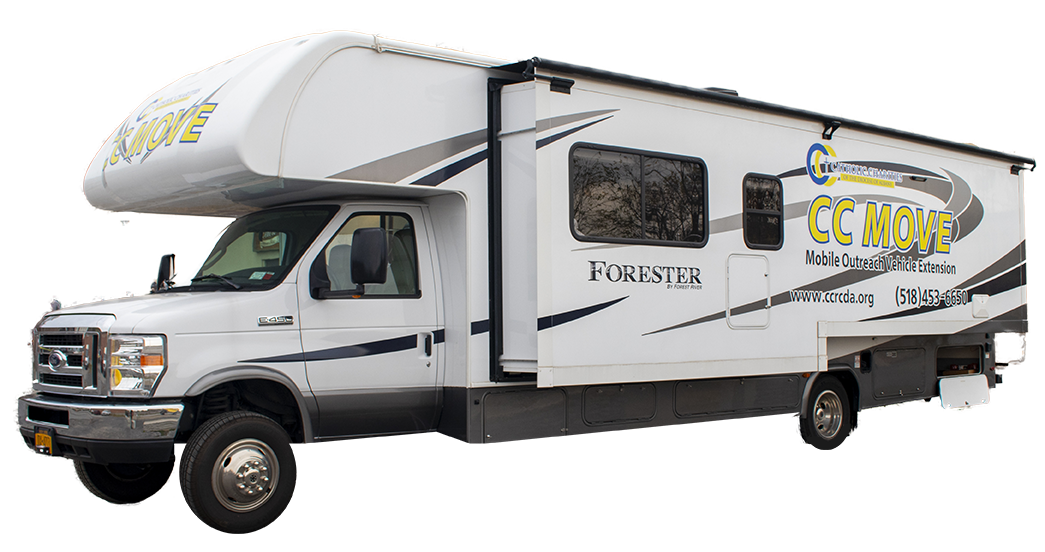
Our Mobile Outreach Program is designed to bring services, resources, and support directly to underserved or hard-to-reach populations through mobile units, community visits, and on-site engagement. Our goal is to Increase access to essential services by delivering programs directly to communities that face barriers such as transportation, distance, technology limitations, or lack of awareness.
Challenge or Need
The Mobile Outreach Program was designed to address barriers that prevent vulnerable individuals and families from accessing needed services. Many residents in our rural communities face transportation challenges, limited awareness of available resources, financial hardship, and difficulty navigating complex service systems. As a result, people often go without assistance until a crisis occurs. The program will bring services directly into the community, reaching individuals where they live, gather, and seek support. By reducing transportation and accessibility barriers, providing immediate connections to resources, and building trust through consistent community presence, the program will help ensure that people receive assistance earlier, improving outcomes and preventing more serious social, housing, financial, and health-related challenges. The initiative was created to make services more accessible, responsive, and equitable for those who might otherwise remain underserved.
Why It’s Innovative
Our Mobile Outreach Initiative is innovative because it will reverse the traditional service delivery model. Rather than expecting individuals and families facing homelessness, housing instability, poverty, transportation barriers, behavioral health challenges, or other crises to come to an office, we bring services directly to where people live, gather, and seek support.
What makes our approach different is the integration of multiple services into a single mobile platform. Outreach staff will provide immediate needs assessment, resource navigation, benefits assistance, housing support, referrals, and case management in real time, reducing the delays and barriers that often prevent vulnerable individuals from accessing help.
The program is particularly innovative in rural communities, where transportation limitations, geographic isolation, and limited service access often leave residents disconnected from critical resources. By creating a consistent community presence in neighborhoods, we meet people where they are and build relationships before crises escalate.
The Mobile Outreach Initiative will also strengthen collaboration among community partners by serving as a visible, accessible hub that connects residents to a network of healthcare, housing, employment, and social service providers. This proactive, person-centered, and highly adaptable model expands access, improves engagement, and reaches individuals who might otherwise remain unseen and underserved.
Program Impact
The Mobile Outreach Initiative will significantly expand access to services for individuals and families who face barriers to seeking help, including transportation limitations, poverty, homelessness, and social isolation. By bringing case management, resource navigation, and basic needs assistance directly into underserved communities, the program will increase engagement with vulnerable populations who were previously disconnected from services.
During the first year, the initiative will enable staff to conduct outreach in multiple rural and high-need locations, resulting in increased client contacts, referrals, and service enrollments. Individuals will be connected to housing assistance, food resources, benefits, mental health services, and other critical supports. The program will also strengthen partnerships with local agencies, schools, healthcare providers, and faith communities, creating a more coordinated response to community needs.
Measurable outcomes will include increased outreach contacts, higher rates of successful referrals, greater enrollment in supportive services, and improved access to resources for residents who otherwise may not have sought assistance. By meeting people where they are, the Mobile Outreach Initiative will reduce barriers to care, increased community visibility of Catholic Charities services, and improve outcomes for some of the region’s most vulnerable individuals and families.
Lessons Learned
Partnerships will be essential. Collaborating with local governments, schools, healthcare providers, faith communities, and community organizations allows a mobile outreach program to connect individuals with a broader range of services and supports. Flexibility is equally important, as staff must adapt services and schedules based on changing community needs and emerging issues.
By collecting and reviewing outreach data, this will help identify service gaps, demonstrate impact to funders, and guide future program improvements. Other Catholic Charities agencies can benefit from starting small, leveraging community partnerships, and focusing first on relationship-building, which is often the key to successfully engaging individuals who may not otherwise seek assistance.