Comprehensive Assessment, Response, Engagement, and Spiritual Support
The Comprehensive Assessment, Response, Engagement, and Spirituality (CARES) Program and Emergency Relief Fund (ERF) address the growing unmet needs of vulnerable individuals and families across Nassau and Suffolk Counties. While ERF provides critical financial assistance, CARES offers intensive, hands-on support for individuals facing serious mental illness, addiction, homelessness, domestic violence, and other complex challenges.
At Catholic Charities of Long Island, we do more than make referrals. We help clients complete applications, gather documents, and navigate complex systems. We accompany them to appointments and DSS (department of social services) interviews, advocate on their behalf, and connect them to essential resources. Most importantly, we follow up and stay engaged, ensuring that clients do not fall through the cracks.
Our approach is simple: we walk alongside those we serve every step of the way. By providing consistent guidance, encouragement, and advocacy, CARES helps individuals overcome barriers, achieve stability, and build a path toward lasting self-sufficiency and improved well-being.
Challenge or Need
There is a growing crisis of unmet basic needs on Long Island, driven by rising rates of housing instability, food insecurity, and mental health issues. Yet, even as the demand for social services and mental health support grows, these resources remain difficult for many residents to access, often leaving vulnerable individuals across Long Island to fall through the cracks of our social safety net.
While local parish social ministries serve as a critical first point of contact for many of these individuals, they are not equipped to manage more complex, interconnected cases. These cases require sustained follow-up, coordination across multiple systems, and specialized knowledge of available resources.
What is largely absent on Long Island is holistic, client-centered case management rooted in accompaniment, one in which a trained advocate supports individuals and families over time as they face complex life challenges. Central to this approach is addressing the whole person rather than a single referral or need. This focus can directly improve the social determinants of health for some of Long Island’s most vulnerable individuals, offering not just services but the sustained human presence that makes lasting change possible.
Why It’s Innovative
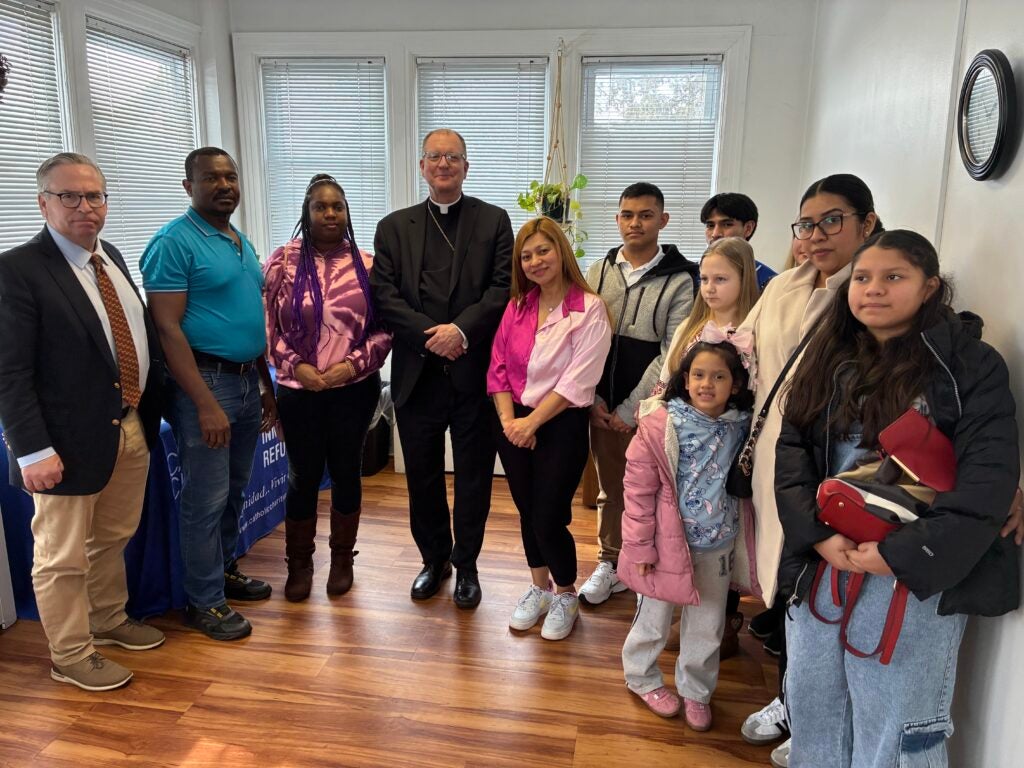
Comprehensive Assessment, Response, Engagement, and Spirituality (CARES) was created to address the growing number of individuals and families facing serious challenges such as mental illness, addiction, homelessness, and domestic violence. While parish ministries are often the first place people turn for help, many situations require more intensive support than a referral alone can provide.
CARES offers hands-on, client-centered case management that helps individuals navigate complex systems and access critical resources. Counselors assist with applications, gather documentation, advocate on behalf of clients, and accompany them to appointments and interviews when needed. Most importantly, they provide ongoing follow-up and support because lasting change takes more than a single intervention.
Rather than simply connecting people to services, CARES walks alongside them, helping build confidence, stability, and self-sufficiency while addressing practical, emotional, and spiritual needs.
Catholic Charities of Long Island’s Emergency Relief Fund (ERF) provides critical financial assistance to individuals and families facing unexpected crises such as job loss, illness, housing instability, or other emergencies. For many who do not qualify for traditional assistance programs, ERF serves as a lifeline.
Through parish outreach offices and Catholic Charities staff, requests are carefully reviewed to address both immediate financial needs and any underlying challenges. Combined with follow-up support and referrals to additional services, ERF helps stabilize households, prevent deeper hardship, and create a pathway toward long-term sustainability and well-being.
Program Impact
Our work reflects both the urgency of mental health and social services crisis across Long Island and the proven efficacy of the CARES model in producing meaningful, lasting change in the lives of those who have been served. Since 2021, CARES has served 200 individuals.
The impact of the CARES program is reflected in the success stories of participants who have overcome their challenges with the dedicated support of the CARES team who have journeyed with them on their pathway toward stability and self-sufficiency.
ERF has had a significant impact on the population we serve by providing financial assistance to individuals and families who have exhausted all available resources or do not qualify for existing assistance programs. Many of these individuals are one small event away from a crisis scenario. ERF support bridges critical gaps, offering temporary stability while clients work toward long-term financial self-sufficiency.
Lessons Learned
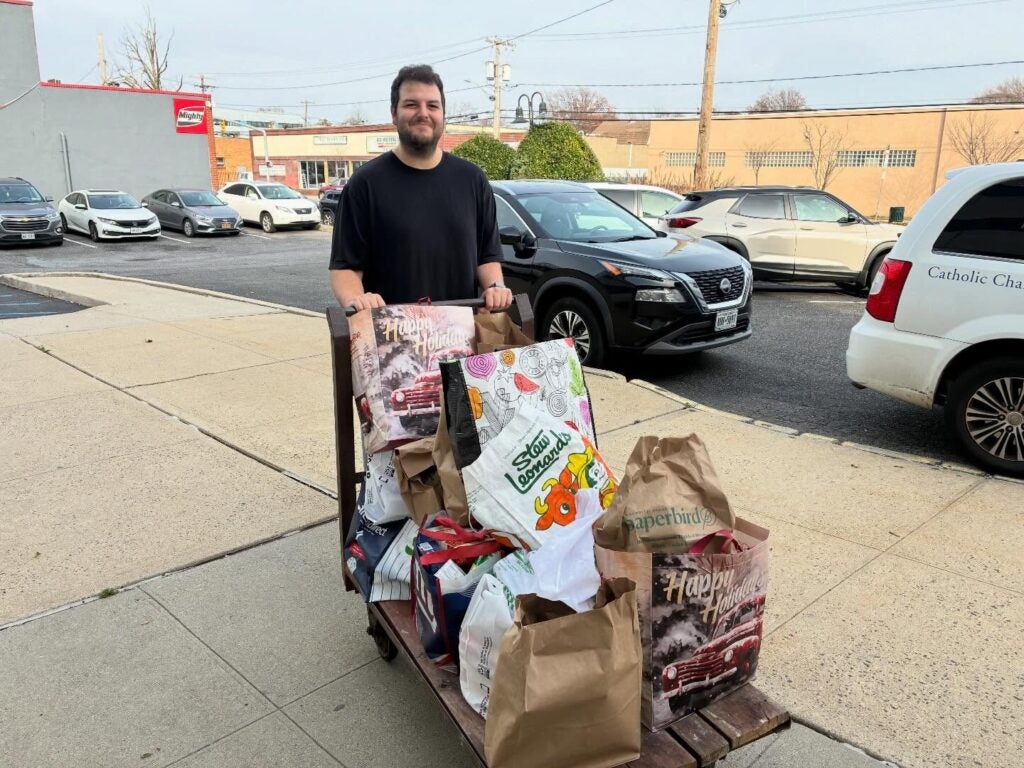
Small financial interventions can have a significant impact. Many individuals and families are only one unexpected expense away from crisis, and targeted financial assistance can prevent housing instability, utility shutoffs, or other emergencies.
Gaps exist in traditional assistance programs. Some vulnerable individuals either exhaust available resources or do not qualify for existing programs, highlighting the need for flexible emergency funding.
Stability creates opportunity for self-sufficiency. Emergency assistance is most effective when it serves as a bridge, giving clients time and resources to address underlying financial challenges and work toward long-term independence.
Prevention is more effective than crisis response. Providing support before a family falls into a severe financial crisis reduces hardship and promotes better long-term outcomes.
Both CARES and ERF demonstrate that timely, individualized support, whether through intensive case management or emergency financial assistance, can prevent crises, strengthen stability, and empower individuals and families to achieve greater self-sufficiency and well-being.