Catholic Charities of Central New Mexico developed the Refugee Summer Camp, a five-week educational and enrichment program, to support refugee and immigrant children, youth, and their families during the summer months. The program combines academic enrichment, English language development, social-emotional learning, health and wellness education, leadership activities, arts, sports, and family engagement in a safe and welcoming environment. Age-specific classes allow participants to receive developmentally appropriate instruction while parents participate in workshops and community-building activities. Through partnerships with local organizations, volunteers, and community members, the camp provides opportunities that many refugee families would otherwise be unable to access. The initiative helps reduce summer learning loss, promotes successful integration into the community, strengthens family connections, and empowers participants with the skills and confidence needed to thrive in school and everyday life.
Challenge or Need
Refugee and immigrant families in our community face multiple barriers to accessing safe, affordable, and enriching summer opportunities. Many parents work during the day, have limited transportation, and cannot afford the cost of camps, sports programs, or enrichment activities. As a result, children are at risk of summer learning loss, social isolation, and missed opportunities to build friendships, develop new skills, and stay physically active.
The Refugee Summer Camp was designed to remove these barriers by providing a free, family-centered program that serves children, youth, and adults in one welcoming location. One of the greatest needs identified by families was access to organized sports and recreational activities. Many shared that their children had never participated in sports programs because registration fees, equipment costs, and transportation made them unaffordable. Our camp offered these experiences at no cost, allowing children to build confidence, teamwork, leadership, and healthy habits while feeling included alongside their peers.
Transportation was another significant challenge. Many participating families do not own reliable vehicles or have limited access to public transportation. Through volunteer drivers and coordinated transportation support, we were able to ensure that families could consistently attend the program. As participation continues to grow, additional funding is needed to expand capacity, improve learning environments, purchase educational and recreational supplies, enhance outdoor and indoor activity spaces, and provide high-quality programming for even more refugee families. Continued investment will allow us to create a safe, engaging, and culturally welcoming environment where every participant has the opportunity to learn and grow.
Why It’s Innovative
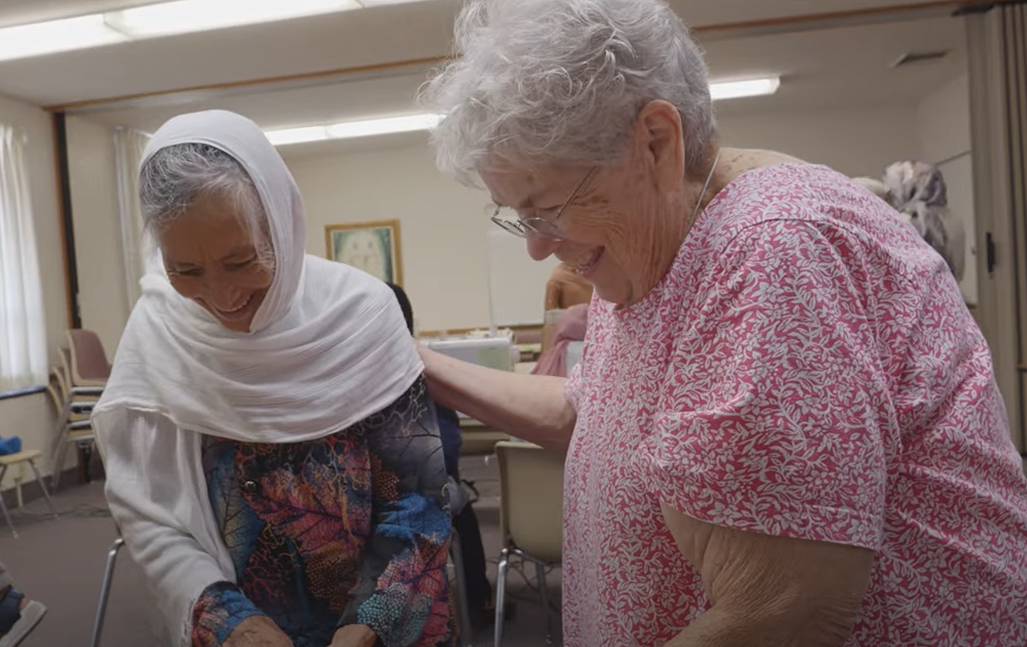
The Refugee Summer Camp goes beyond a traditional summer program by serving the entire family through a holistic, community-centered approach. Rather than focusing solely on children, the initiative provides simultaneous programming for preschool children, school-age youth, teenagers, and adults, allowing every family member to benefit while remaining together in one location.
The program brings together education, health, wellness, leadership development, financial literacy, arts, recreation, and community engagement through partnerships with local nonprofits, healthcare providers, educators, universities, and volunteers. This collaborative model expands available resources while minimizing costs and increasing community involvement.
The initiative is also culturally responsive. Activities are designed to respect participants’ languages, cultures, and lived experiences while encouraging meaningful interaction across diverse refugee communities. By combining educational support, social connection, family engagement, and access to community resources in one coordinated program, the Refugee Summer Camp creates an inclusive environment that promotes integration, belonging, and long-term success.
The flexible partnership model allows new organizations and volunteers to contribute their expertise each year, making the program sustainable, adaptable, and easily replicated.
Program Impact
The Refugee Summer Camp has had a meaningful impact on participating families by increasing access to education, wellness resources, and community connections. During the most recent program, Catholic Charities served approximately 90 refugee and immigrant participants through five weeks of educational and enrichment programming. Participants were divided into age-appropriate groups to maximize learning and engagement.
Children strengthened their English language skills, academic readiness, teamwork, and self-confidence through literacy activities, STEM projects, arts, and sports. Parents participated in educational workshops and gained greater awareness of community resources, health information, and opportunities to support their children’s education.
The program was strengthened through collaboration with numerous community partners and volunteers who provided instruction, recreational activities, health education, and transportation assistance, helping reduce barriers to participation.
Beyond measurable participation, families reported feeling more connected to their community, children developed new friendships across cultures, and parents expressed greater confidence in accessing local services. The camp created a welcoming environment where refugee families experienced belonging, built supportive relationships, and developed skills that contribute to long-term integration and success.
Lessons Learned
One of our greatest lessons is that refugee families benefit most when programs are designed for the entire family rather than for children alone. Offering simultaneous programming for children, youth, and adults significantly increases participation and strengthens family engagement.
We also learned that transportation support is essential. Even the highest-quality program cannot achieve its intended impact if families cannot physically access it. Coordinating volunteers and transportation options greatly improved attendance and reduced barriers.
Strong community partnerships are another key to success. Collaborating with local organizations, healthcare providers, universities, and volunteers allows agencies to expand programming, leverage community expertise, and maximize limited resources without significantly increasing costs.
Finally, flexibility and cultural responsiveness are critical. Listening to participants, adapting activities to meet changing needs, and creating an environment where families feel respected and welcomed lead to stronger engagement and better outcomes. These lessons demonstrate that meaningful collaboration, intentional family engagement, and barrier reduction can help develop sustainable, high-impact programs that foster successful refugee integration and community belonging.