Getting Ahead in a Just-Gettin’-By World
The Getting Ahead in a Just-Gettin’-By World program is an innovative, evidence-informed initiative from Catholic Charities of South Carolina that helps individuals and families move from surviving to thriving. Participants (“investigators”) examine the root causes of poverty, identify barriers to stability, and develop personalized plans for achieving economic mobility. The program combines financial literacy, goal setting, critical thinking, and peer support in a collaborative environment where participants are recognized as the experts of their own lives.
What makes this initiative unique is its focus on long-term transformation rather than short-term assistance. Participants build resources in areas such as employment, education, housing, transportation, and social support while creating actionable strategies to improve their circumstances. Graduates emerge with confidence, stronger decision-making skills, and increased financial stability.
Catholic Charities is proud of the program’s success in empowering participants to break cycles of poverty, strengthen their families, and become leaders within their communities, creating lasting impact across South Carolina.
Challenge or Need
The Getting Ahead program was designed to address the complex and persistent challenges of poverty that affect individuals and families throughout South Carolina. Many people experiencing poverty face barriers that extend beyond a lack of income, including limited access to education, affordable housing, transportation, childcare, health care, employment opportunities, and supportive social networks. Traditional assistance programs often help meet immediate needs but may not provide the tools and resources necessary for long-term economic stability.
Catholic Charities of South Carolina recognized the need for a program that empowers individuals to understand the systemic and personal factors contributing to their circumstances while equipping them with practical strategies to create lasting change. The program addresses the cycle of generational poverty by helping participants build financial literacy, strengthen decision-making skills, establish achievable goals, and increase access to community resources.
The need for this program has grown as rising housing costs, inflation, and economic uncertainty place additional strain on working families, seniors on fixed incomes, and individuals striving to achieve self-sufficiency. Through a supportive, participant-driven model, Getting Ahead helps individuals move beyond crisis management and develop the knowledge, confidence, and resources needed to build a more stable and prosperous future for themselves and their families.
Why It’s Innovative
The Getting Ahead program is innovative because it shifts the traditional approach to poverty alleviation from providing services to individuals to partnering with them as leaders in their own transformation. Rather than focusing solely on emergency assistance, the program equips participants with the tools, relationships, and knowledge needed to build long-term economic stability and self-sufficiency.
Participants are considered “investigators,” reflecting the program’s belief that individuals experiencing poverty are the experts on their own lives. Throughout the 35-week curriculum, investigators examine the hidden rules of economic class, analyze the causes of poverty in their communities, identify barriers to success, and develop personalized plans for achieving their goals. This participant-driven model fosters critical thinking, empowerment, and ownership of the change process.
Another innovative aspect is the program’s emphasis on building multiple resources—not just financial—but also emotional, mental, social, educational, and support systems that are essential for long-term success. Participants learn alongside peers, creating strong relationships and support networks that continue beyond graduation.
Catholic Charities continues the program through a two-year follow-up process after graduation. Staff maintain regular contact with graduates to monitor progress, provide encouragement, connect individuals to community resources, and help address new challenges as they arise. This long-term commitment increases accountability, promotes sustained success, and ensures participants continue moving toward their personal, educational, employment, and financial goals. The combination of empowerment, peer support, and extended follow-up makes Getting Ahead a powerful and innovative model for breaking cycles of poverty.
Program Impact
The Getting Ahead program has had a significant impact on participants by helping them build the resources, confidence, and skills necessary to achieve greater economic stability and self-sufficiency. Through the program, participants develop individualized plans to address barriers related to employment, education, housing, transportation, financial management, and family stability.
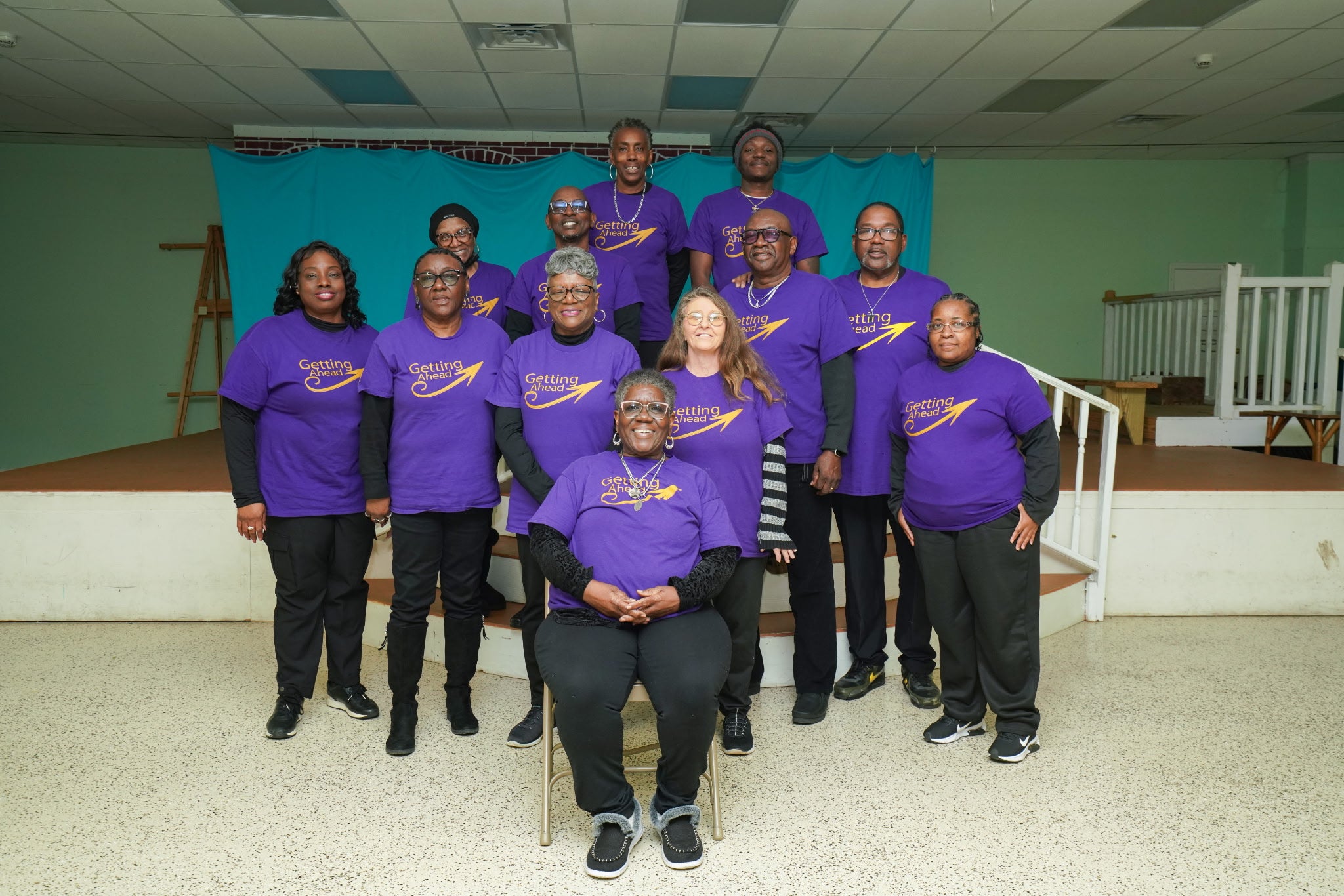
In Georgetown County, Catholic Charities of South Carolina successfully graduated a cohort of 50 families from the program. Participants reported increased financial literacy, improved budgeting skills, greater confidence in setting and achieving goals, and stronger connections to community resources. Several graduates have secured employment, increased their income, pursued educational opportunities, improved housing stability, and reduced debt as a result of strategies developed during the program.
One of the program’s most meaningful outcomes is the development of community leadership among graduates. Two former participants, David and Kendra Blango, successfully completed the program and have since become facilitators, helping guide future participants through their own journeys toward stability and self-sufficiency. Their transition from participants to leaders demonstrates the program’s ability to create lasting change and build community capacity.
Catholic Charities continues to follow graduates for two years after completion, tracking progress toward personal and economic goals. Success is measured through indicators such as employment status, income growth, educational attainment, housing stability, financial management, and participant engagement with community resources. These outcomes demonstrate that Getting Ahead is not only reducing immediate barriers but also creating sustainable pathways out of poverty for individuals and families.
Lessons Learned
One of the most important lessons learned is that sustainable poverty reduction requires more than emergency assistance; it requires investing in relationships, empowerment, and long-term support. While food, housing, and financial assistance are critical during times of crisis, lasting change occurs when participants are given the opportunity to examine their circumstances, build resources, and create their own pathways toward stability.
Catholic Charities has learned that treating participants as partners in the process, rather than recipients of services, significantly increases engagement and long-term success. Referring to participants as “investigators” reinforces dignity, ownership, and personal responsibility while creating an environment in which individuals feel valued and heard.
Another key lesson is the importance of building strong peer networks. Participants often find encouragement, accountability, and practical solutions from others facing similar challenges. These relationships continue long after graduation and become a valuable source of ongoing support.
The organization has also found that success is strengthened through continued engagement after program completion. By maintaining contact with graduates for up to two years, staff can celebrate achievements, address emerging challenges, connect participants to additional resources, and measure long-term outcomes. This follow-up process helps sustain momentum and improves program effectiveness. Integrating Getting Ahead with other Catholic Charities services creates a more comprehensive approach to poverty reduction. Combining economic mobility programming with food assistance, case management, housing support, and other services allows agencies to address both immediate needs and the root causes of poverty, leading to stronger outcomes for individuals, families, and communities.