Economic Mobility Mentoring
For seven years, Catholic Charities of Eastern Virginia (CCEVA) has offered economic mobility mentoring using the evidence-based Economic Mobility Pathways (EMPath) model. One challenge has been engaging participants to set and achieve financial goals. When expanding into a new area, we decided to integrate financial and housing counseling by having our mentor become HUD-certified (Department of Housing and Urban Development). This approach — what we’re calling the Ascend Program — combines brain science-based coaching, which uses goal-setting and supportive coaching to address impacts of chronic poverty on executive functioning, with HUD’s research-backed housing counseling framework, creating a holistic, person-centered approach. Many participants face years of financial stress and trauma that affects decision-making. Our mentor helps explore the factors influencing participants’ choices, including culture, mental health, access to affordable housing, childcare, etc. By combining mentoring with housing counseling, participants receive financial guidance with individualized coaching. This model empowers clients to set goals, overcome obstacles, and build the skills and confidence to achieve long-term economic stability.
Challenge or Need
CCEVA’s economic mobility programs were created to address generational poverty—particularly for those in the ALICE population (asset limited, income constrained, employed) who have no margin for error — and to move these families out of poverty. The program originally served women with minor children over a three-year period, pairing them one-on-one with a trained mentor to establish SMART goals focused on employment, education, financial stability, health, transportation, and childcare. Once we expanded to the Virginia Peninsula, we decided to open the service to any parent struggling to gain financial stability.
While our longstanding EMPath program successfully supported participants in setting and achieving life goals, one challenge was engaging them in separate financial counseling services with HUD-certified housing counselors. To address this, we integrated these services by having our mentor become both EMPath-trained and HUD-certified as a housing counselor. By integrating economic mobility mentoring and HUD-certified housing counseling, participants receive practical financial guidance alongside individualized coaching and support. The mentor helps the participant develop personalized budgets, improve credit, reduce debt, build savings, and access crisis gap funding that prevents temporary setbacks from derailing long-term progress. This comprehensive approach has resulted in increased income, debt reduction, improved credit scores, homeownership, educational attainment, and lasting financial stability.
Early successes reinforce that the integrated model of economic mobility mentoring and HUD-certified housing counseling creates sustainable pathways to economic mobility by addressing both the practical and behavioral factors that influence financial success. We are excited to see the program reach more working families prepared to build lasting financial independence.
Why It’s Innovative
This innovative approach combines EMPath’s brain science-based coaching model — which uses goal setting, recognition, and supportive coaching to address the impacts of chronic poverty on executive functioning — with HUD’s research-backed housing counseling framework. The result is a holistic, person-centered model that recognizes that financial success requires more than just learning to create a budget. Many participants have experienced years of financial stress, trauma, and instability that influence decision-making and goal attainment. Through individualized coaching, our mentor helps participants examine the many factors affecting their financial choices, including culture, financial literacy, mental health, and structural barriers such as access to affordable housing, childcare, and transportation.
By integrating economic mobility mentoring and HUD-certified housing counseling, participants receive practical financial guidance alongside individualized coaching and support. The mentor helps participants develop personalized budgets, improve credit, reduce debt, build savings, and access crisis gap funding that prevents temporary setbacks from derailing long-term progress. This comprehensive approach has resulted in increased income, debt reduction, improved credit scores, homeownership, educational attainment, and lasting financial stability.
Program Impact
Although Ascend launched with a small cohort, early outcomes demonstrate the effectiveness of this integrated model. One participant secured part-time employment within three weeks of setting a goal through résumé development, interview coaching, and targeted job applications, accelerating her debt repayment and increasing her financial confidence. Even when participants experienced significant personal hardships, including the unexpected loss of a spouse, consistent mentoring and resource navigation enabled them to remain engaged and continue making progress toward their goals.
Six-month data further demonstrates meaningful gains across multiple dimensions of economic mobility. Participants increased their average Bridge to Self-Sufficiency® Score from 66 to 72, reflecting improvements in financial stability and overall well-being. Collectively, participants completed 33 SMART goals, with three securing new full-time employment with benefits and two earning additional income through part-time, seasonal, or gig work. Participants also achieved important educational and career milestones, including becoming a certified CPR instructor, passing a real estate licensing exam and closing a first home sale, and enrolling in college courses.
Financial and family stability outcomes were equally encouraging. Participants opened savings accounts, completed first-time homebuyer education, enrolled children in childcare, relocated to safer housing, participated in budgeting and financial education sessions, and reported measurable improvements in both physical and mental health.
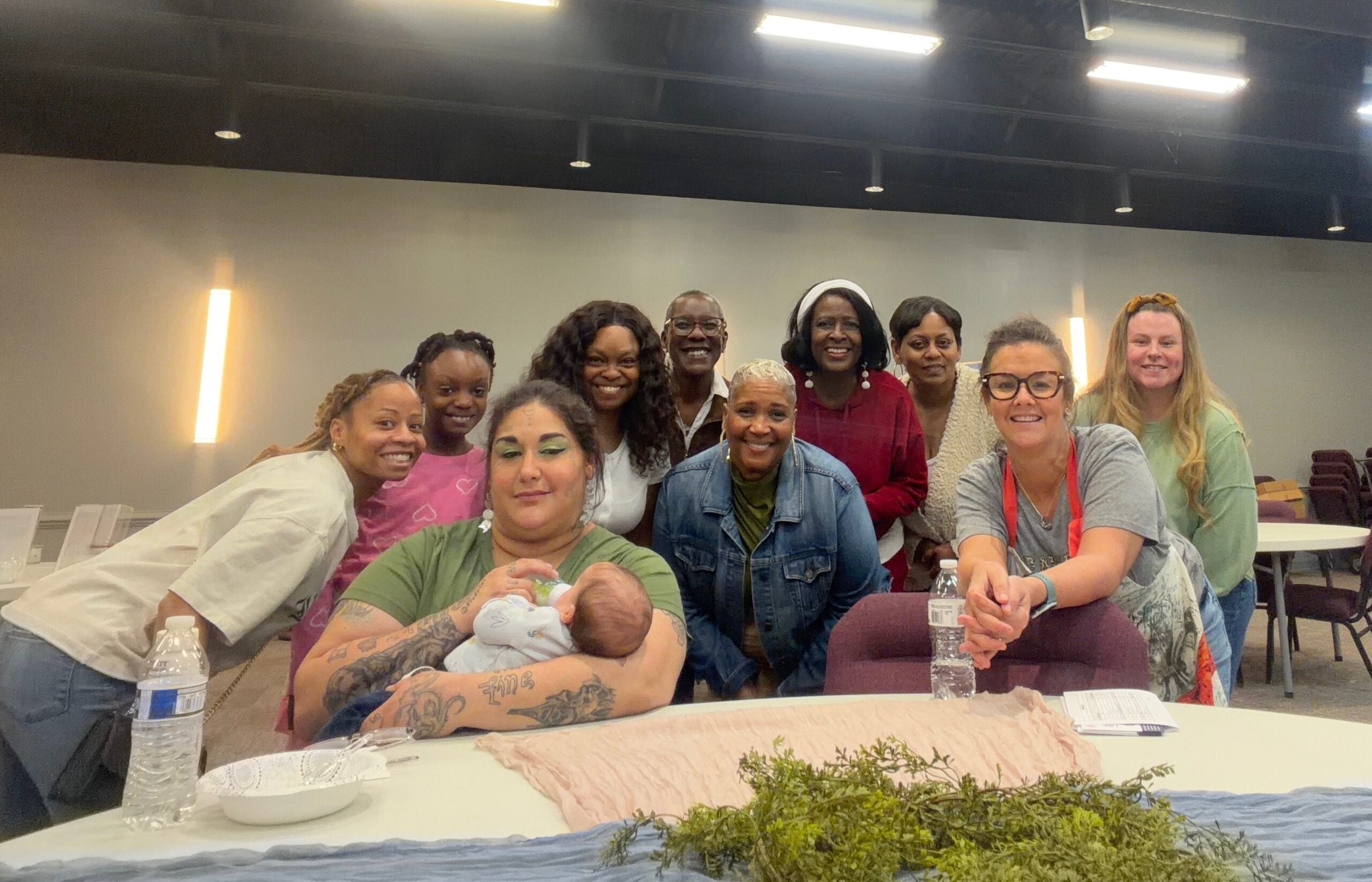
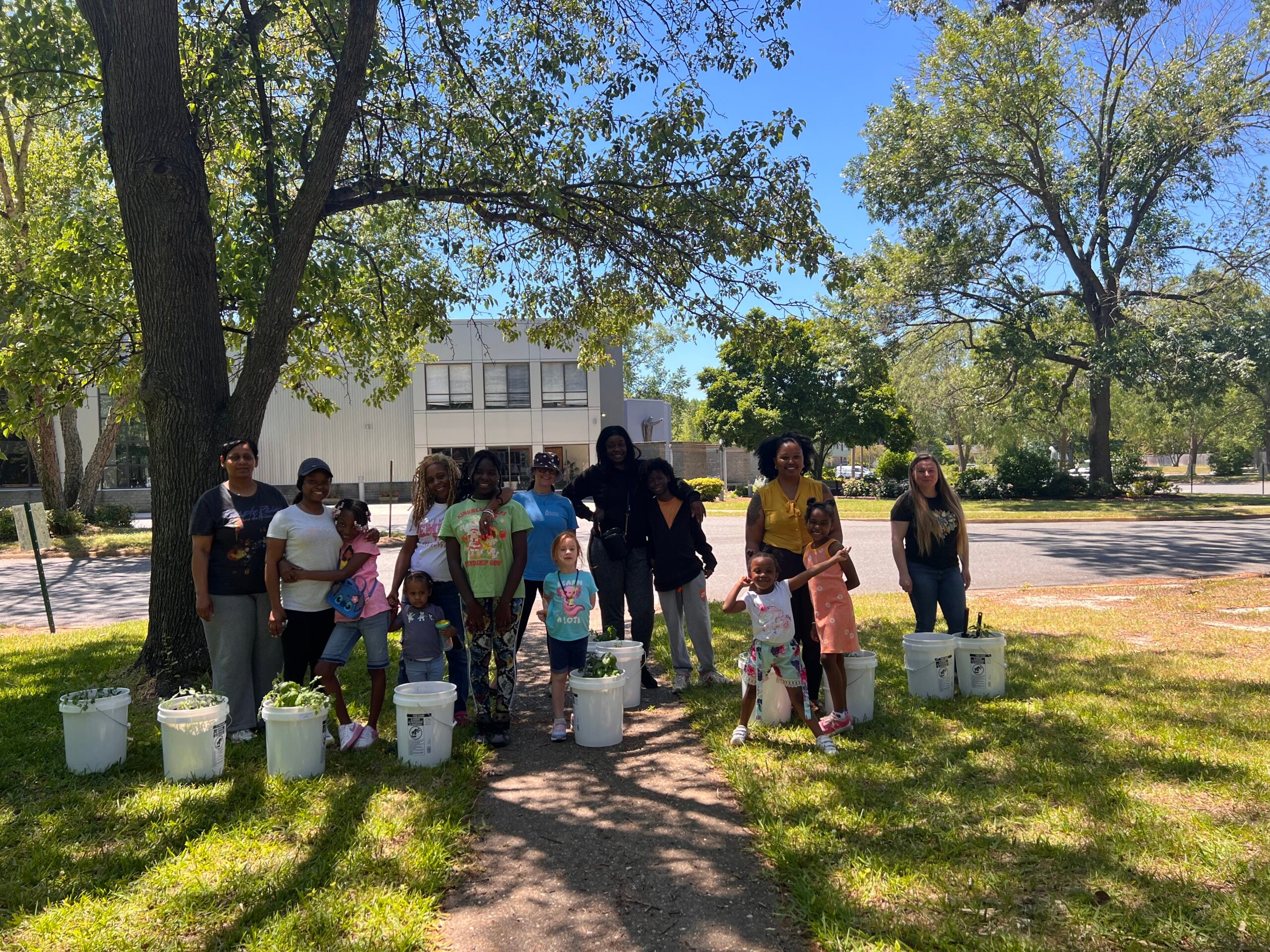
Our staff also hold events including boundary groups, cooking classes, resume workshops, gardening tutorials, and social events to encourage participants to support one another and build community.
Lessons Learned
What we have learned from this initiative is that families make remarkable strides when they trust our mentors and are invested and supported in the relationship. Ensuring that our mentors have extensive training to include HUD certification is paramount, as we do not have to hand a participant off to someone else for strong financial guidance. Having an “accountability partner” builds more self-esteem and executive functioning and allows participants to feel safe making strides and mistakes. Often, we are focused on the family’s stability in order to achieve financial goals, but we have found it really is more about being ready to embrace change and having a relationship of trust to encourage that goal attainment. If a client feels safe, they can move forward in amazing ways!